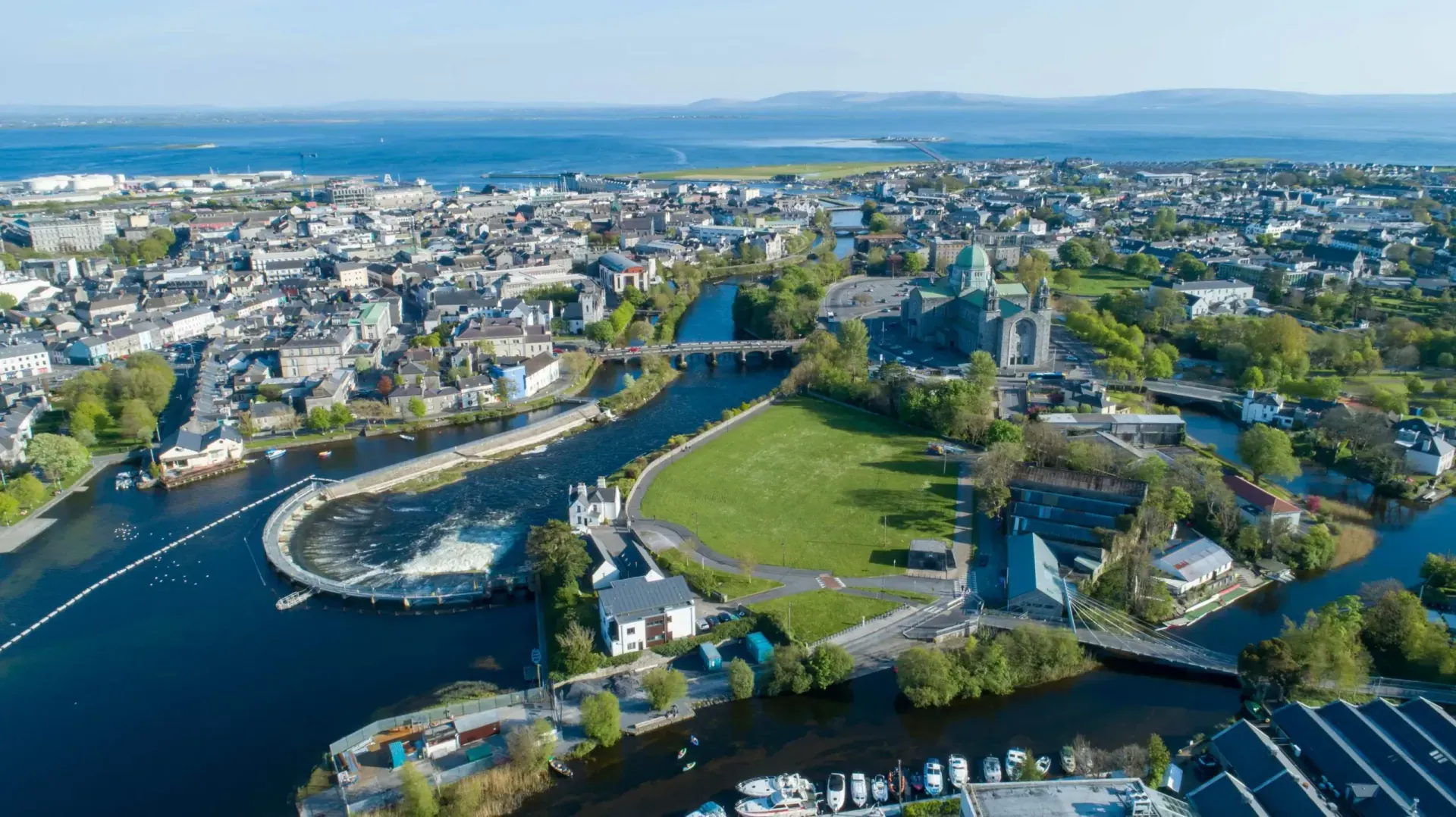
Portfolio decarbonisation.
When you hold thousands of homes, no single retrofit moves the number that matters. We reduce the stock to a few recurring building types, work out which homes to tackle first and to what standard, and hand you a costed route to net zero a board can fund. Then we build it: Design Team Lead on the Leitrim, Galway and Mayo Pathfinder programmes, EnerPHit retrofit at scale.
What portfolio decarbonisation delivers.
What it isA council or housing association answers for a whole portfolio at once. In Ireland, the Climate Action Plan requires public bodies to cut energy and carbon, reach a minimum BER, and show a route to net zero by 2050. In England, Awaab’s Law sets legal deadlines on damp and mould, and minimum EPC ratings decide what can be let at all. Handled building by building, that becomes unaffordable and slow. Handled as one stock, it becomes something a board can plan, fund and report against.
Our starting point is to reduce thousands of homes to a few dozen recurring building types, survey a sample of each, and benchmark the rest. That model shows where the carbon sits, what each fix costs, and which homes carry the greatest need, from fabric condition to fuel poverty to a live damp-and-mould duty. From there the pathway is built in phases, each stage carrying its own BER, EPC, carbon and cost targets. Homes that need deep work go to the EnerPHit standard, the Passivhaus (Passive House) retrofit standard, in a single pass. On the council Pathfinder programmes we do not stop at the strategy: as Design Team Lead we take the priority buildings all the way through delivery.
Carbon and BER under the Climate Action Plan. Damp and mould deadlines under Awaab’s Law. Minimum EPC ratings on anything you let. A single prioritisation has to carry all three, or the homes that fail on health and rating get left behind while the easy carbon is picked off first.
A stock archetype model, a phased and costed retrofit roadmap, and a business case a board can fund. Each phase carries its own carbon, BER and cost targets, with whole-life carbon counted and hygrothermal risk checked before a home is signed off.
Six steps from a stock list to a funded plan.
Thousands of homes, a 2050 deadline, and a damp-and-mould duty already running against the clock. What gets a portfolio moving is not another round of surveys but a clear order of operations. These are the six steps we follow on every stock.
- 01 Archetype
Group the stock into a handful of repeating building types. A few dozen archetypes stand in for thousands of homes, so the model is built once and scaled, not redrawn door by door.
- 02 Survey
Survey a representative sample of each archetype and benchmark the rest: fabric, services, BER or EPC, condition, fuel use and the damp and mould flags that carry a legal deadline.
- 03 Prioritise
Rank every home by carbon, cost and need. The worst-performing fabric and the cheapest carbon rise to the top together, so health risk and target are tackled in the same phase.
- 04 Cost
Cost each intervention against the archetype model, from light-touch fabric measures to full EnerPHit deep retrofit, with carbon saved per pound or euro on every line.
- 05 Phase
Sequence the work into phases mapped to the Climate Action Plan milestones and the 2050 target, so the early phases fund and de-risk the later ones rather than chasing every home at once.
- 06 Fund
Build the business case a board can approve, with public funding and grant lines matched to each phase. The plan arrives costed, sequenced and ready to draw down.
The council Pathfinder programmes.
Proof on the groundMosart is Design Team Lead on three council Pathfinder programmes, for Leitrim, Galway and Mayo County Councils, taking civic and community buildings to a minimum BER B and a credible route to zero by 2050. A housing portfolio needs the same discipline, and the same team carries it from the stock model through to the EnerPHit retrofit on site.

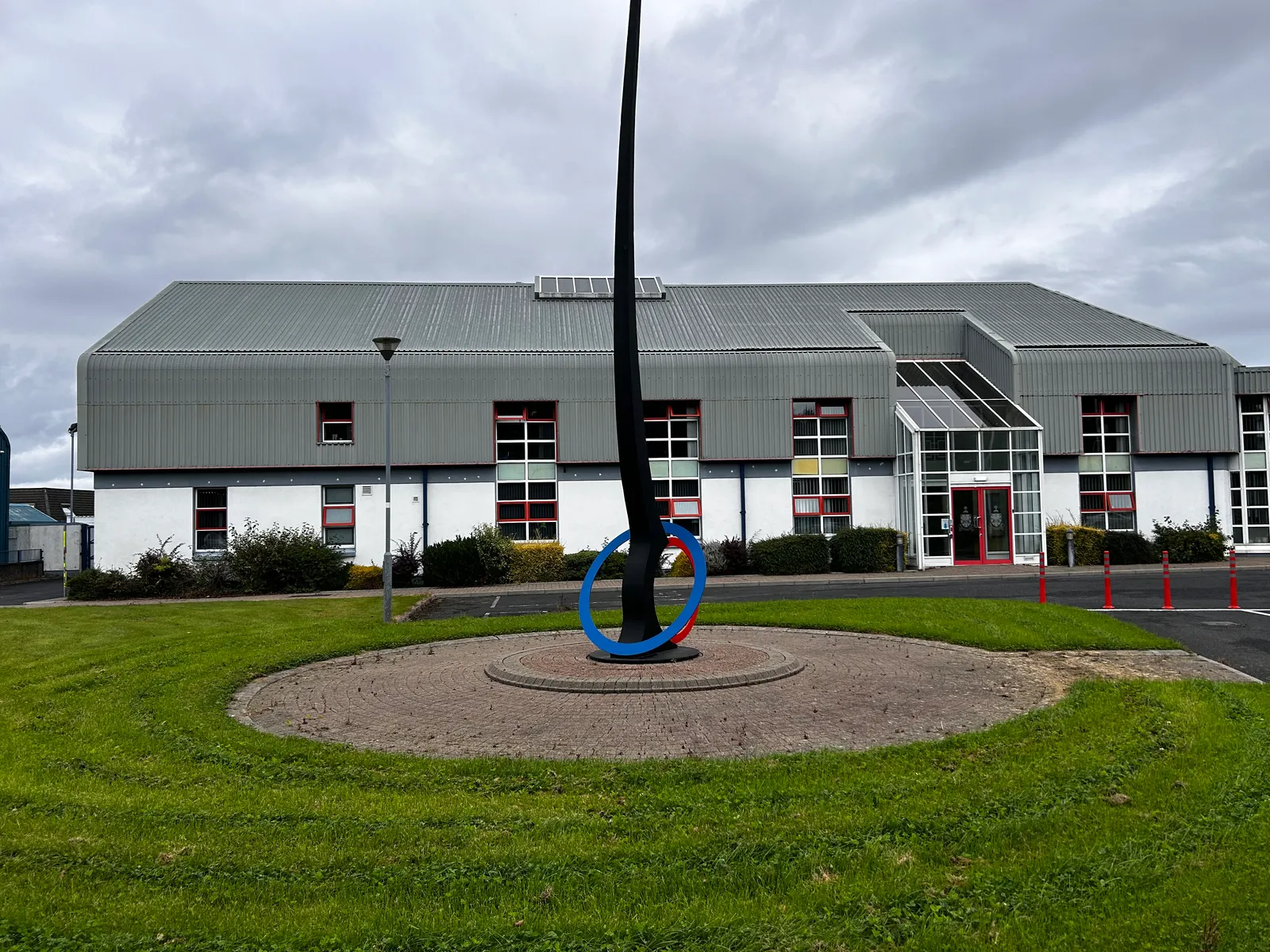
Method: how we work.
MethodWe sort the portfolio into repeating building archetypes and build the energy baseline for each: fabric, services, BER or EPC, condition and current fuel use. One archetype model stands in for thousands of homes, so the work scales and every later decision rests on real data, not a guess.
Each archetype is modelled and scored on three axes: carbon saved, cost per tonne, and need, which folds in fabric condition, fuel poverty and the Awaab’s Law duty. That keeps the spend efficient, protects the households most at risk, and holds the net zero target within reach.
We sequence the work into phases, each with its own carbon, BER, EPC and cost targets, so each phase pays toward and de-risks the next. The pathway maps to the Climate Action Plan milestones and the 2050 net zero target, giving you a year-on-year line to report against.
We produce the business case a board can approve, with the numbers behind every phase and the funding routes identified. Then, as Design Team Lead, we run the delivery ourselves, carrying the priority buildings through design, procurement and EnerPHit retrofit so the targets written on the page are the ones proven on site.
Common questions.
FAQWhat is portfolio decarbonisation, and how is it different from retrofitting one building?
Portfolio decarbonisation treats thousands of homes as a single stock to be taken to net zero, not a queue of one-off projects. The method is fixed: archetype the stock into repeating building types, survey and benchmark them, prioritise by carbon, cost and need, cost the work, phase it, then secure the funding. The output is a housing stock decarbonisation plan a board can fund and report against. A single deep retrofit fixes one home. A portfolio pathway tells a local authority or housing association which homes to fix first, to what standard, and how the early phases pay for the later ones.
How do you prioritise which homes to retrofit first across a whole stock?
We rank every archetype on three things. Carbon, so the pathway reaches the net zero portfolio target rather than picking off easy wins. Cost, measured as carbon saved per pound or euro, so the budget goes where it works hardest. Need, which covers fabric condition, fuel poverty, and the legal exposure that drives a landlord: damp and mould duties under Awaab’s Law, and BER or EPC minimums. The result is a phased retrofit strategy where the worst homes and the cheapest carbon are tackled first, and each phase de-risks the next.
Does the pathway address damp, mould and BER or EPC compliance?
Yes, because those are the duties social landlords are judged on. Awaab’s Law gives social housing providers fixed deadlines to act on damp and mould. BER and EPC uplift is a legal floor on lettable stock, not an aspiration. A portfolio plan folds those obligations into the same prioritisation as carbon and cost, so homes that fail on health risk or rating are not stranded behind the cheap-carbon work. Where a home needs deep retrofit we take it to the EnerPHit standard, which fixes the fabric, the ventilation and the damp risk in one pass rather than papering over mould that returns the next winter.
Can Mosart deliver the retrofits as well as plan them?
Yes. A strategy is only worth the paper unless it can be built, and we are Design Team Lead on the Leitrim, Galway and Mayo County Council Pathfinder programmes. That means we lead the deep-retrofit delivery, not just the planning. The same team that archetypes the stock and sets the pathway takes the priority homes through design, procurement and EnerPHit-standard retrofit, so the carbon, BER and cost targets written into the strategy are the targets verified on site.
Turn your stock into a funded plan.
Tell us the size and shape of your stock. We will model it, work out the order the homes should be tackled in, and hand you a phased pathway a board can sign off. Then, as Design Team Lead, we deliver the retrofits that prove the numbers.