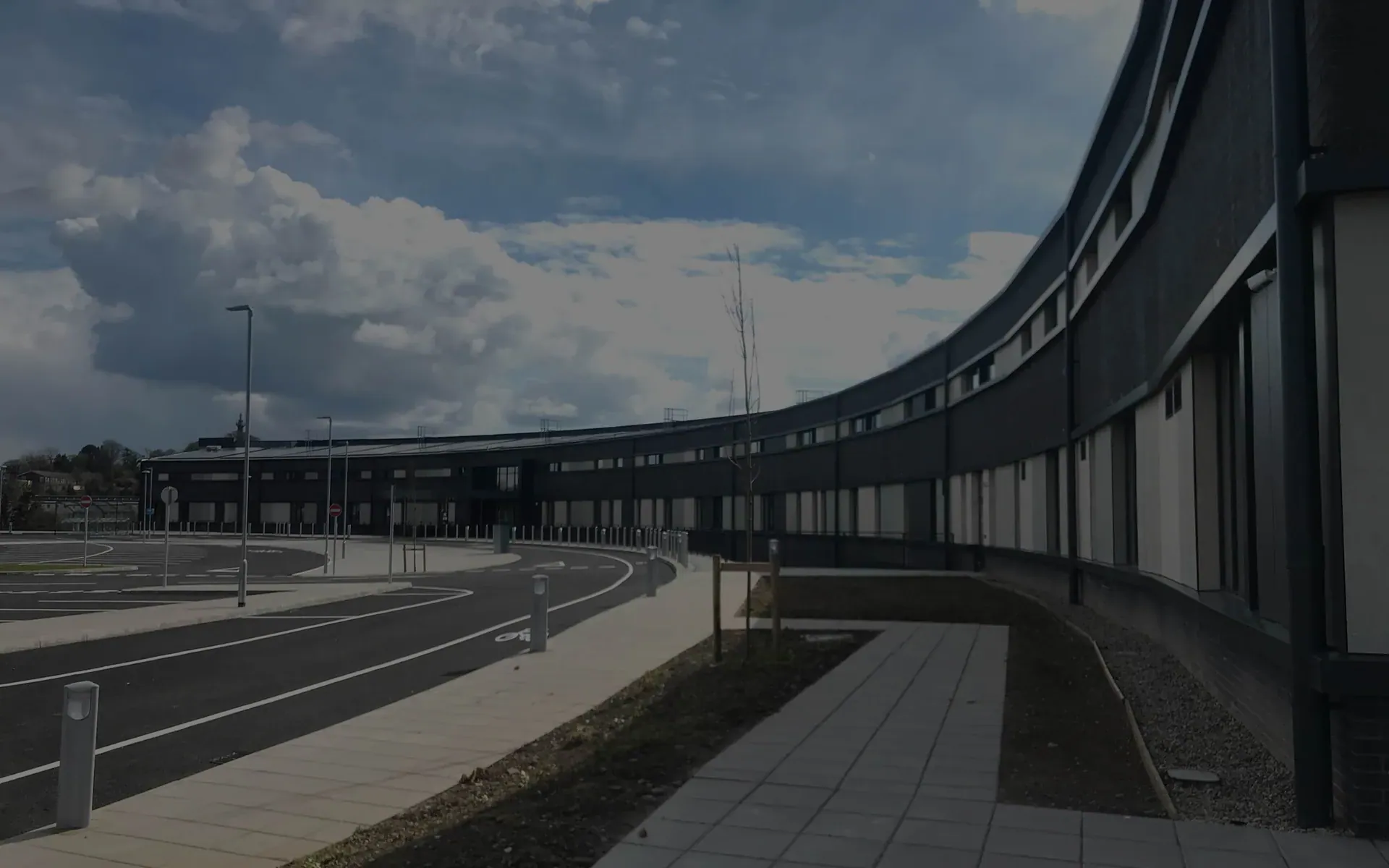
Buildings that teach by example.
Passivhaus for schools, campuses and public buildings.
Public buildings are held for generations. The energy cost, the indoor environment and the carbon record of a school or civic building built today will be matters of public account for the next half-century. Passivhaus is built for that: a certified energy performance that holds whoever manages the building and however energy prices move, and air quality kept up by the fabric and systems rather than by occupant behaviour. The performance record is third-party verified, which matters when the spending is public. We have delivered certified low-energy education buildings from Enniskillen to Sligo, and led the EnerPHit retrofit of protected civic structures for county councils in Ireland.
Why Passivhaus for education and civic.
The argumentDecades of reduced running cost for public budgets
Public buildings are held for generations. A school built today will be in operation in 2075. The energy cost of that building compounds across its lifetime, and for a procurement body making capital investment decisions, the lifecycle cost argument for Passivhaus is straightforward. A Passivhaus school requires no more than 15 kWh per square metre per year for space heating, a fraction of the energy of a standard school. Cumulative energy savings over a 30-year lifecycle routinely exceed the construction cost premium, and the remaining operational life delivers the return. For a business case made under the Public Spending Code or NBS, lifecycle cost is the right metric.
Indoor air quality directly linked to attainment and wellbeing
Classrooms that rely on natural ventilation through openable windows are poorly ventilated in winter. Occupants close windows against cold and noise, CO2 levels rise, and pupils and teachers work in air quality that impairs concentration and increases absence. This is a measured and well-documented effect. Passivhaus classrooms with MVHR ventilation deliver fresh, filtered air continuously at a rate calibrated to the occupancy load, keeping CO2 consistently below 1,000 ppm regardless of season or weather. The improvement in attainment and health outcomes is documented in post-occupancy evaluations of Passivhaus schools across Europe. It is also, for any head teacher or school board, one of the most persuasive arguments for the standard.
Comfort for occupants and staff, year-round
Schools are occupied by people who cannot choose to leave when the environment is uncomfortable. Children at desks in cold or overheated rooms cannot move to a warmer or cooler part of the building. Passivhaus removes the temperature variation that characterises standard school buildings: cold north-facing classrooms, overheating south-facing rooms, draughts from poorly sealed windows. The thermal envelope is designed to maintain comfortable operative temperatures year-round without supplementary heating or cooling in most rooms, and the MVHR system maintains humidity and CO2 regardless of occupant behaviour. For staff retention and pupil welfare, this is a practical and material improvement.
Exemplar and teaching value of a certified public building
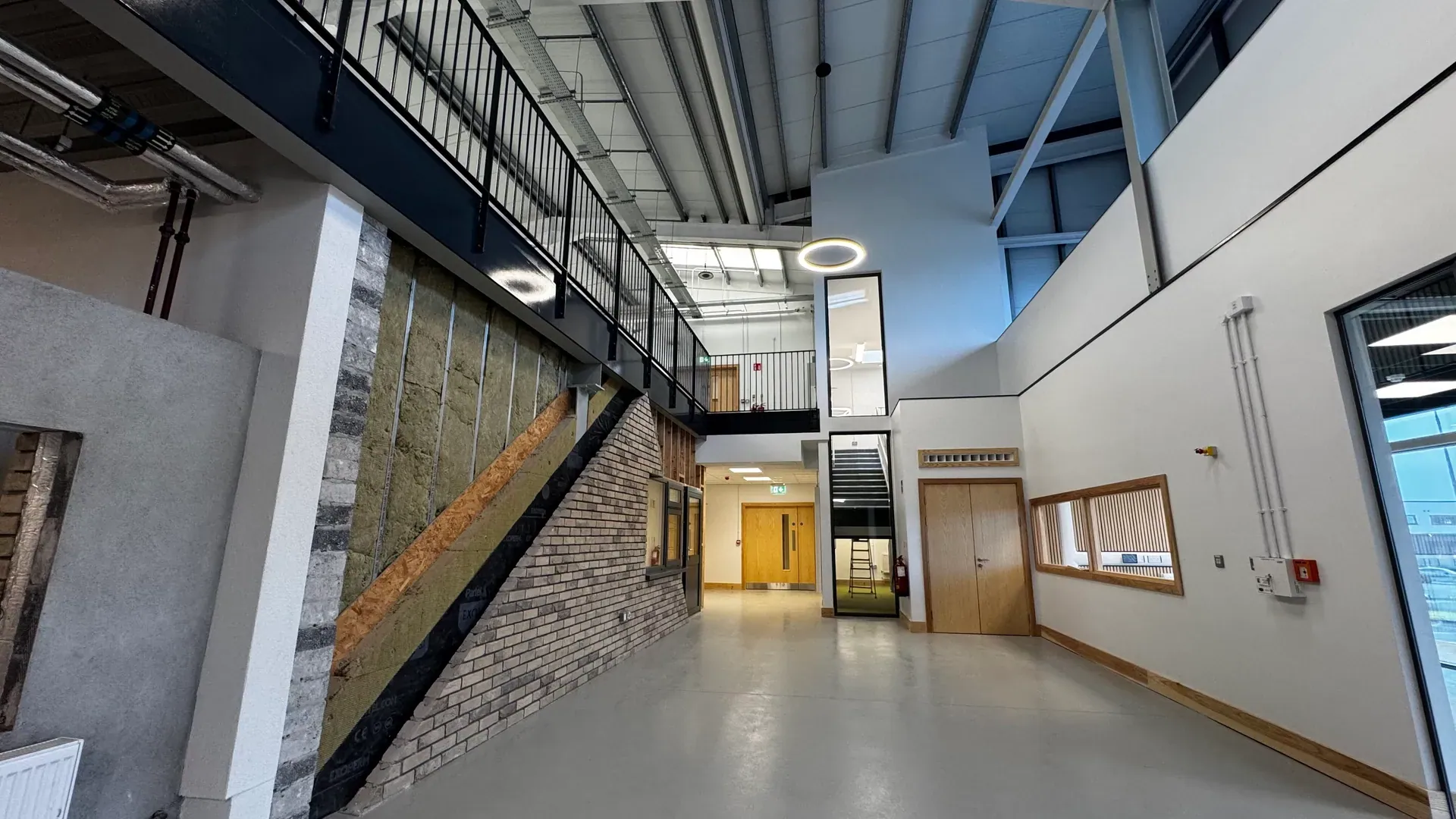
A certified Passivhaus school or civic building is a demonstration project. It shows that the standard can be achieved on public budgets, at public sector procurement timescales, by main contractors working to standard Irish and UK contract frameworks. It gives curricula a live case study and future procurement a replicable model. Mosart designed the MSLETB Energy Build at Sligo College as a dedicated training facility for high-performance construction, with live demonstration assemblies across the major construction methods, so the building itself is part of the teaching.
Lifecycle cost and carbon for public accountability
Public bodies in Ireland and the UK are now required to account for carbon in capital investment decisions, alongside capital cost. A Passivhaus building with a certified energy demand has a lower operational carbon profile than a standard equivalent. Combined with a structural specification designed for longevity rather than minimum compliance, the whole-life carbon of a Passivhaus civic building compares favourably even when the embodied carbon of the higher-specification fabric is included. For bodies producing carbon budgets and Climate Action Plans, the Passivhaus performance record is a credible and auditable basis for carbon accounting.
Retrofit of existing and protected stock with EnerPHit
The public sector estate in Ireland and the UK contains large numbers of existing school buildings and civic structures, many of historic character or protected status, that cannot be replaced but must be decarbonised. EnerPHit provides a certified retrofit pathway for these buildings, allowing a component-based or energy-demand approach that works within the constraints of existing fabric and planning conditions. Mosart has led EnerPHit-pathway retrofits on three protected structures for Leitrim County Council and two community centres for Galway City Council, achieving more than 50 percent reductions in energy use and carbon while preserving architectural character.
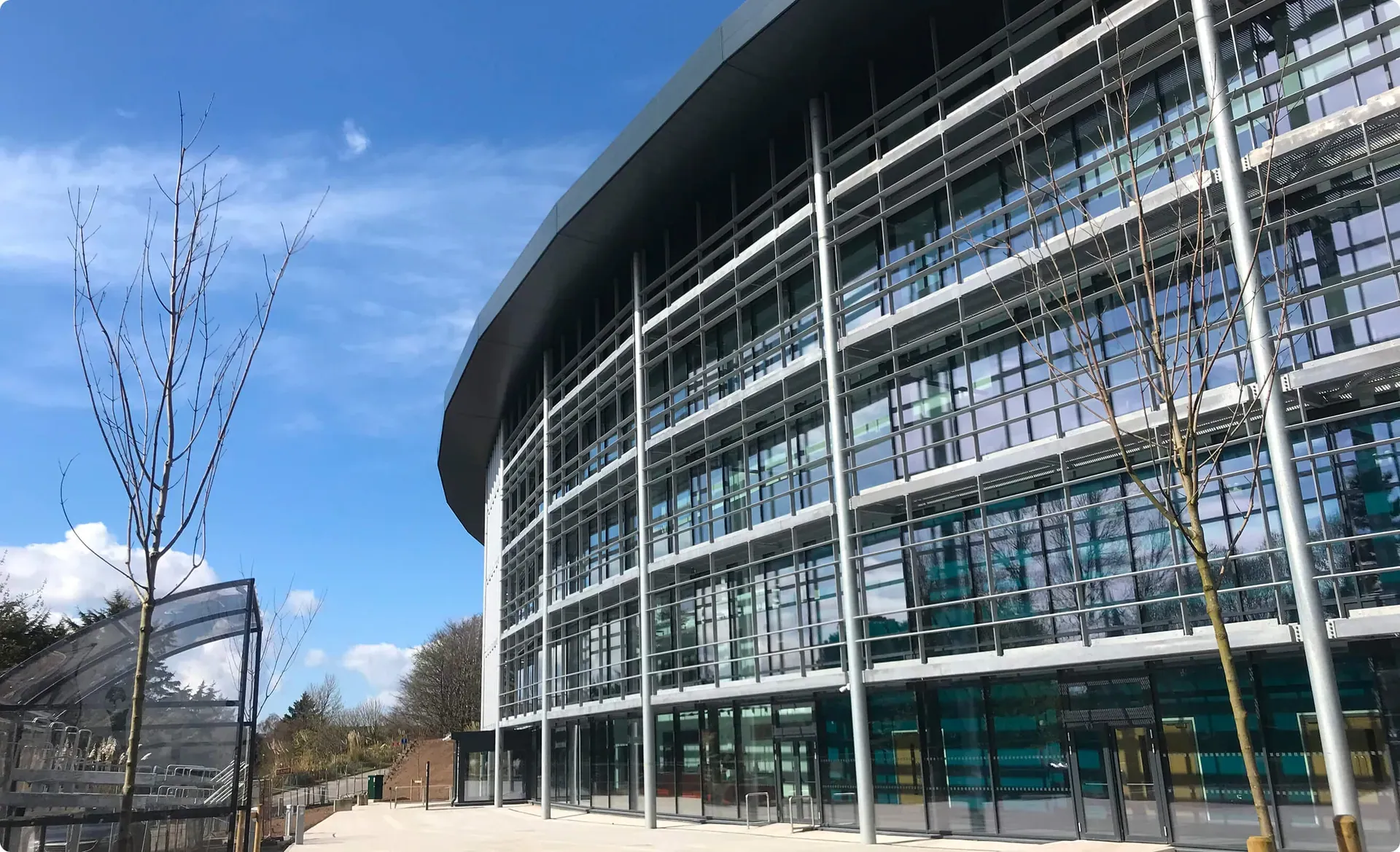
What certified performance looks like.
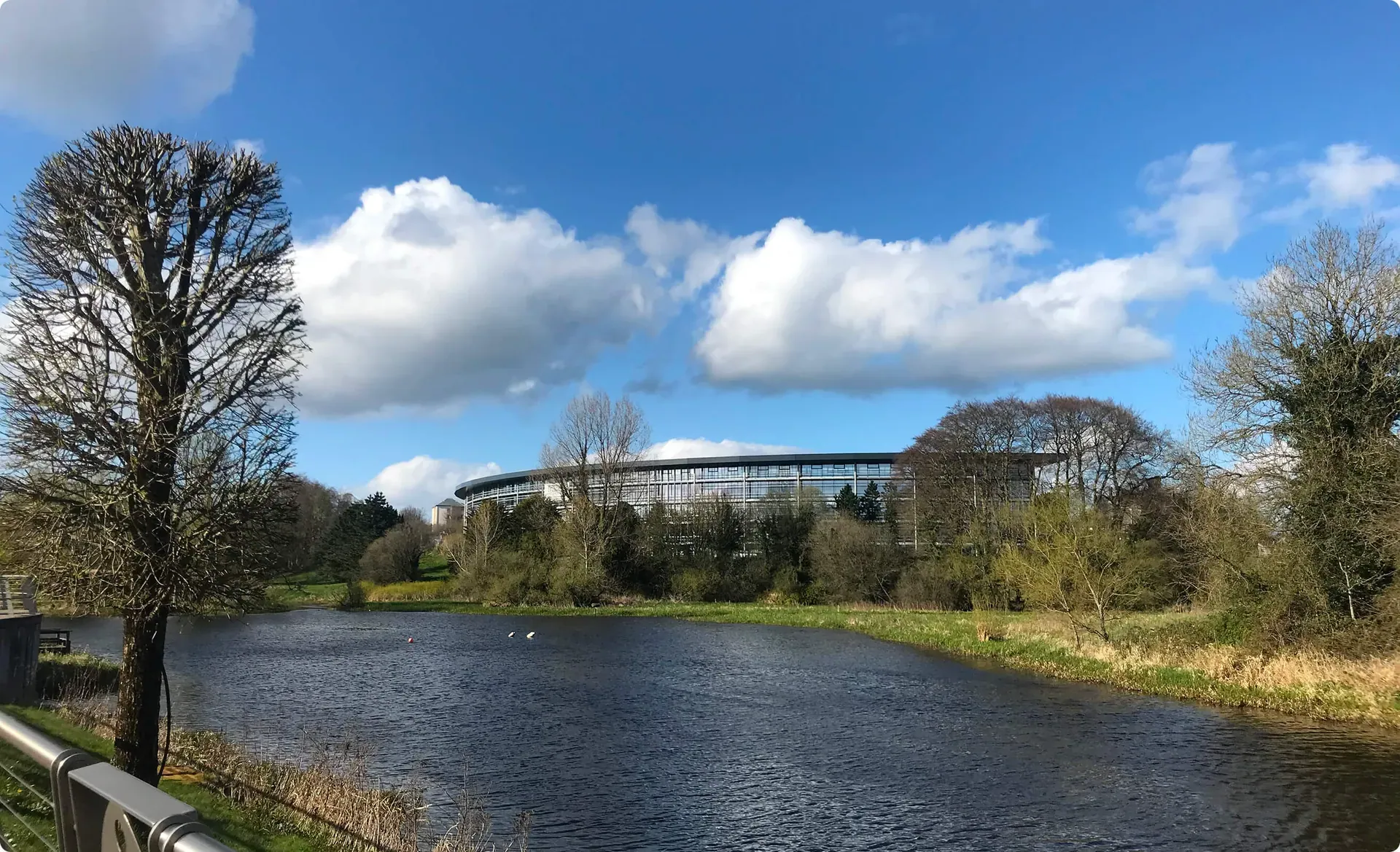
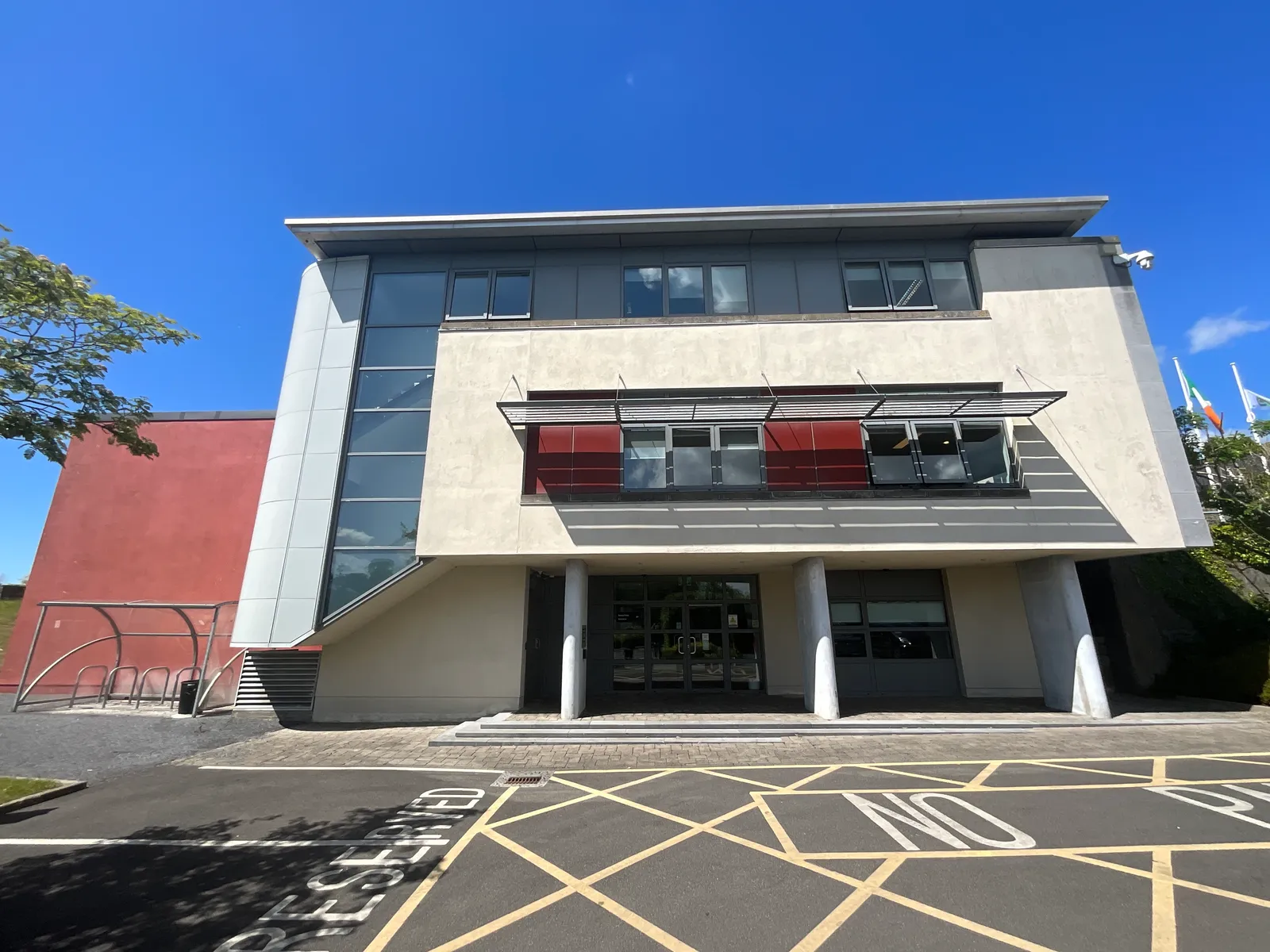
Erne Campus
Education and civic projects.
04 / All projects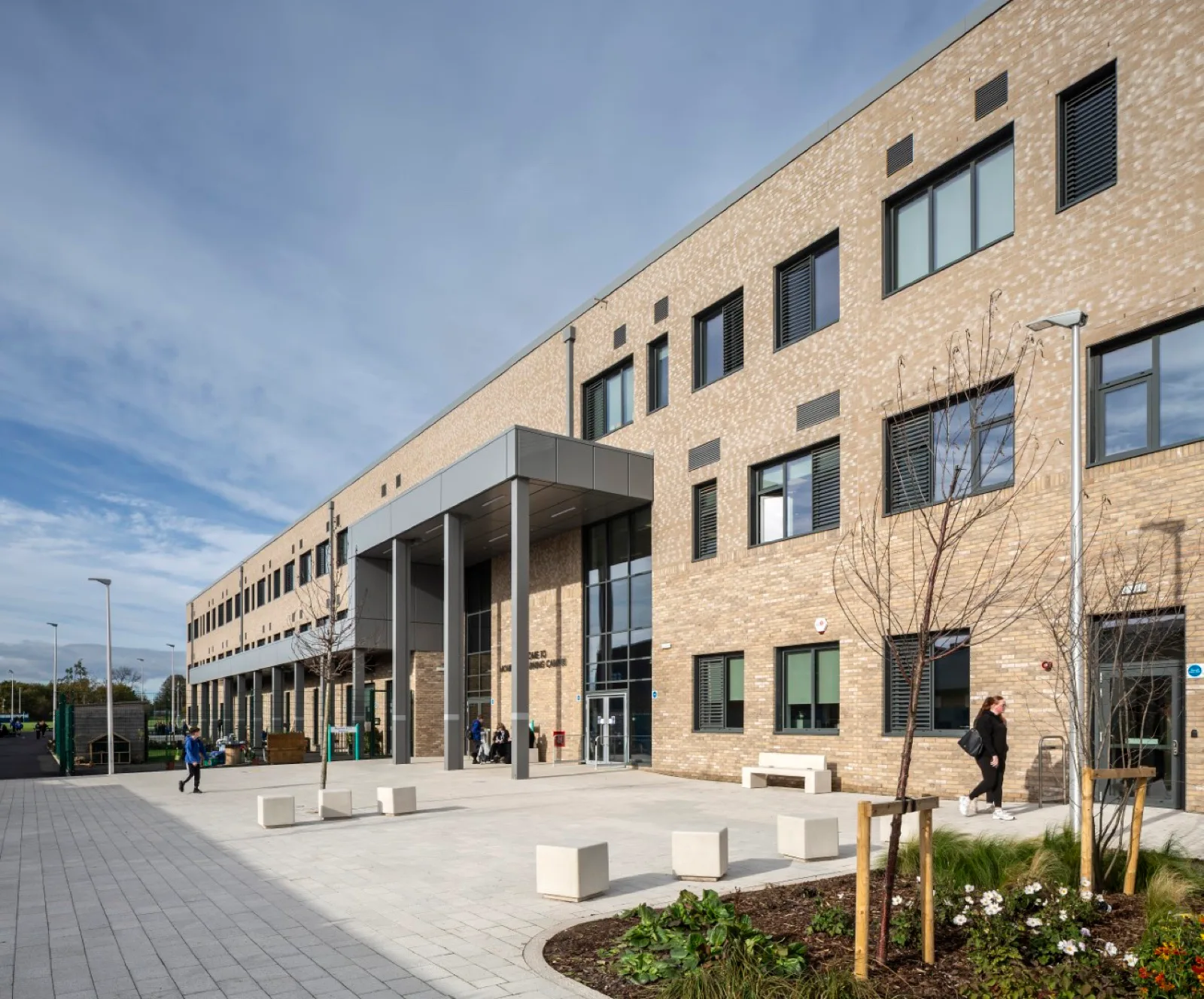
Lifecycle cost in the energy model.
On education and civic projects, the client’s obligation extends well beyond construction. We model energy cost over the full lifecycle from feasibility, not the headline space heating demand alone. That gives the procurement team a business case that can be defended under the Public Spending Code and a certified performance target that cannot be value-engineered away without triggering a design review.
On retrofit projects with existing fabric constraints or protected status, we use the EnerPHit component pathway to define what is achievable within the planning and structural envelope, and we build the PHPP model around the real geometry, not an idealised simplification.
Common questions.
FAQWhat does Passivhaus mean for a school building’s running cost over 30 years?
A Passivhaus school with a maximum space heating demand of 15 kWh per square metre per year will use a fraction of the energy of a standard school building. Over a 30-year lifecycle, the cumulative saving in energy cost is very significant, and it compounds further if energy prices rise. Public bodies that have invested in Passivhaus schools consistently report that the uplift in construction cost is recovered within the first 5 to 10 years of operation through reduced energy bills, and that the remaining 20-plus years of operation generate the return. For procurement bodies making lifecycle cost arguments in business cases, Passivhaus provides the evidence base.
Is there evidence that indoor air quality in schools affects pupil attainment?
Yes. Multiple peer-reviewed studies and reviews, including from CIBSE and the UK’s Building Bulletin 101, link elevated CO2 levels in classrooms to reduced concentration, increased error rates and lower test scores. Classrooms relying on natural ventilation through windows frequently have CO2 levels above 1,500 ppm in winter. Passivhaus classrooms with MVHR ventilation maintain CO2 levels consistently below 1,000 ppm year-round. The improvement in air quality is measurable and the effect on attainment and absence rates is documented in post-occupancy evaluations of Passivhaus schools in Germany, Austria and the UK.
Can Passivhaus be applied to the retrofit of existing schools and protected civic buildings?
Yes, through the EnerPHit standard. Where a building cannot achieve the full Passivhaus airtightness target of 0.6 ACH due to its construction or protected status, EnerPHit allows a component-based or energy-demand pathway that still delivers very high performance. Mosart has led EnerPHit-pathway retrofits on protected structures for Leitrim County Council and Galway City Council under the Pathfinder programme, achieving over 50 percent reductions in energy use and carbon emissions on buildings of historic character. The approach is fully transferable to school and civic retrofits.
How does a public body make the business case for Passivhaus to a client or approving authority?
The business case rests on lifecycle cost, not capital cost. A Passivhaus building costs marginally more to build and dramatically less to run. The NBS Whole Life Cost Analysis framework, RICS lifecycle cost standards and Ireland’s Public Spending Code all require lifecycle cost to be considered in capital investment decisions. Mosart provides the PHPP energy model, the running cost forecast and the certification evidence that supports a lifecycle cost argument in a business case. We have done this across social housing, further education and civic procurement in Ireland and the UK.
What is the teaching and exemplar value of a certified Passivhaus school or civic building?
A certified Passivhaus public building is a working demonstration of what the standard achieves. For a school or further education college, it provides a live case study for science, engineering and built environment curricula. Pupils learn in a building that embodies the principles they study. For a local authority or public body, it demonstrates leadership, provides a replicable model for future procurement, and supports the Climate Action Plan obligations that all public bodies now carry. Mosart designed the MSLETB Energy Build at Sligo College specifically as a hands-on training facility for high-performance construction skills, embedding the teaching function in the building itself.
Talk to us about your school or civic project.
Tell us the building type, scale and procurement route. We will tell you what Passivhaus or EnerPHit requires, what the lifecycle cost looks like, and how the business case is made.