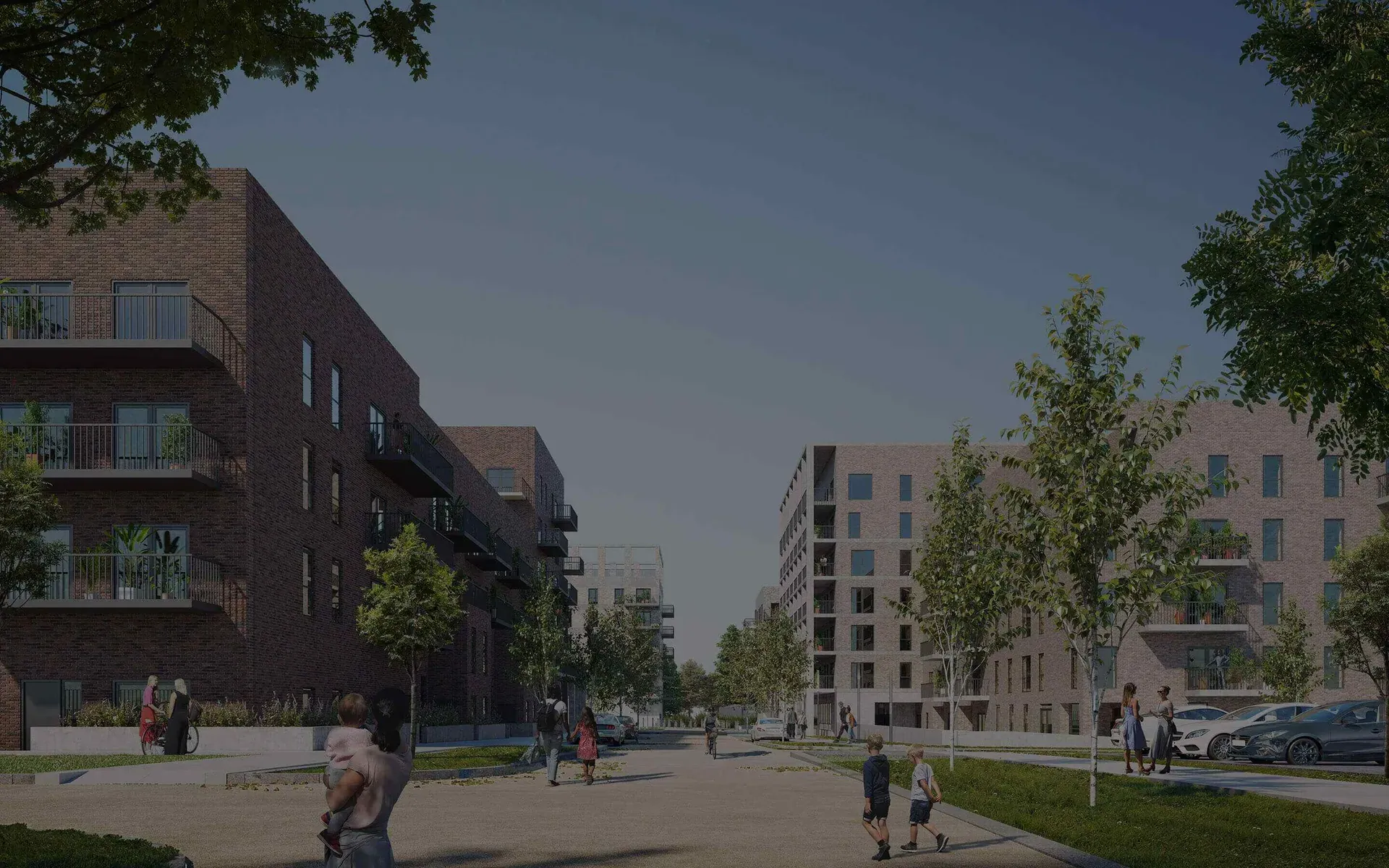
Housing that performs, for decades.
Passivhaus for social, affordable, build-to-rent and new towns at scale.
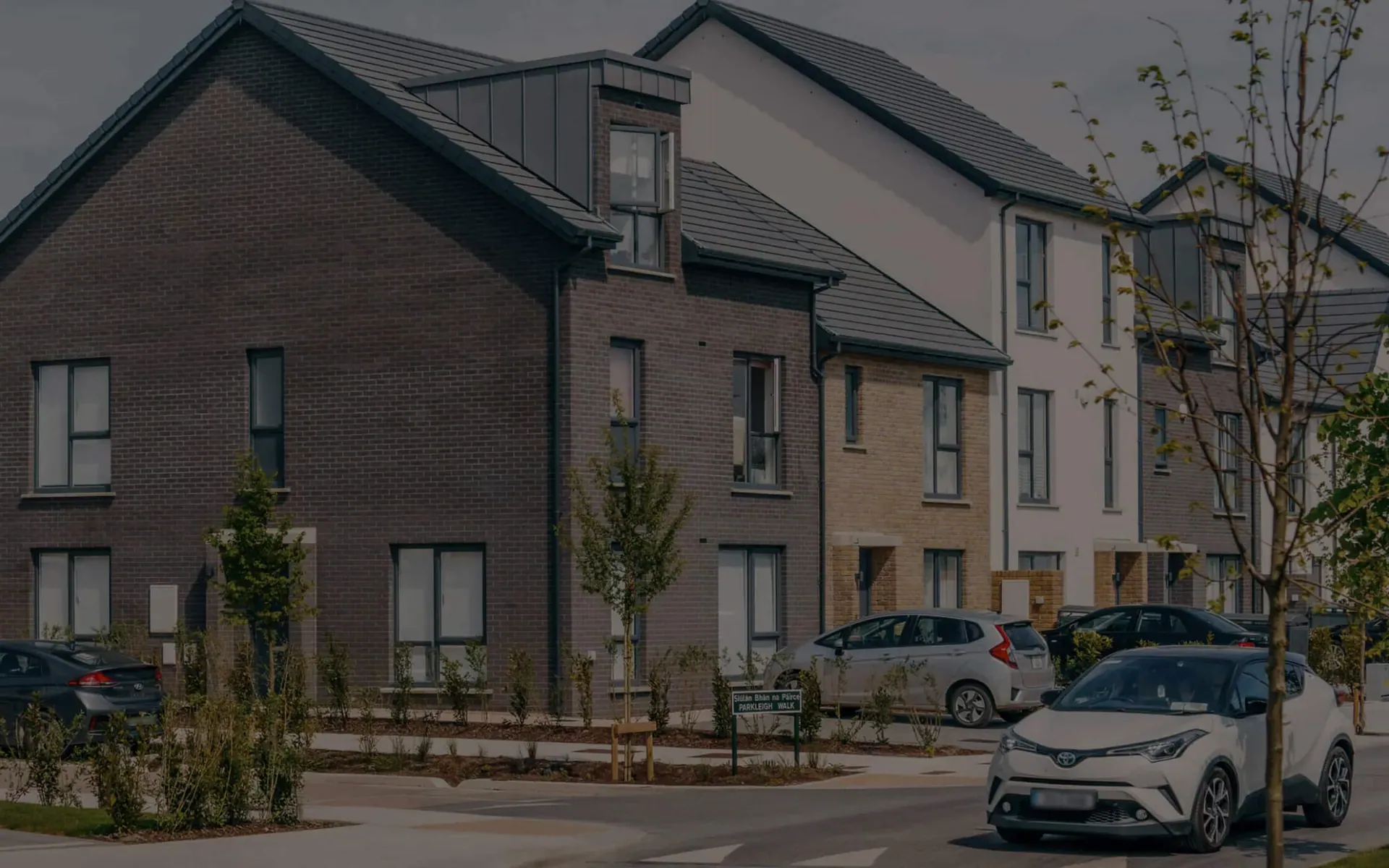
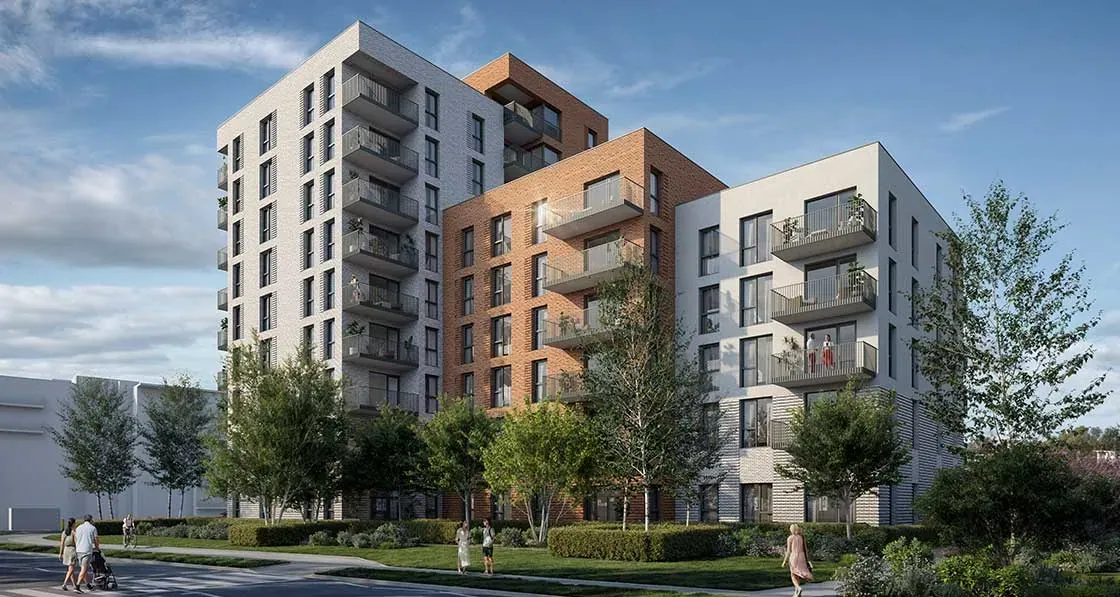
Residential buildings carry obligations most building types do not. The people who live in them cannot move out when the heating bill arrives, or when the ventilation fails. Passivhaus is built for those obligations: ultra-low energy demand, certified airtightness, continuous fresh air, and a third-party verified performance record that holds across the building’s lifetime. From a 268-apartment scheme in Santry to a 5,500-home new town at Seven Mills, we have built the evidence that the standard scales. Across our residential work we are now designing and certifying around 10,000 homes.
Why Passivhaus for residential.
The argumentFuel poverty protection at source
A certified Passivhaus dwelling requires no more than 15 kWh per square metre per year for space heating. In practice, residents heat with a towel rail or a small heat pump running for a fraction of the hours a standard boiler would. For social and affordable tenants on fixed or low incomes, that is more than a comfort upgrade: it protects against the energy costs that push households into fuel poverty. Build to Passivhaus and a significant source of tenant hardship is gone from the day the keys are handed over.
Predictable running cost for providers and operators
Housing associations, local authorities and build-to-rent operators all carry long-term liability for the stock they manage. A building that performs to a certified standard is a building whose running cost can be modelled with confidence. Passivhaus removes the variability introduced by fabric performance gaps, persistent infiltration, and poorly controlled ventilation. The result is an asset that costs less to run. It generates fewer complaints and fewer reactive maintenance visits, and across a large portfolio the management burden falls accordingly.
Comfort and indoor air quality in every unit
Passivhaus is a comfort standard first, and the carbon reduction follows from it. Mechanical ventilation with heat recovery delivers filtered fresh air to habitable rooms at a rate that keeps CO2 levels low and eliminates the condensation and mould risk associated with trickle-vented or naturally ventilated dwellings. Residents in certified buildings report higher satisfaction and fewer respiratory complaints. At scale across a housing scheme, this translates into measurable improvements in tenant wellbeing and lower void rates.
Regulatory compliance as a by-product
Passivhaus Classic exceeds nZEB and Part L 2023, and sits ahead of Scotland's coming new-build energy standard, without separate compliance modelling. A scheme targeting Passivhaus certification does not need a parallel compliance workstream: the PHPP model covers both. As targets tighten across Ireland and the UK, a Passivhaus building stays ahead of the changes while one that just cleared the current threshold does not.
Reduced defects and contractor callbacks
The fabric-first discipline of Passivhaus, in which the airtightness layer is drawn continuously through the construction details before a contractor lifts a tool, eliminates the class of defects that arise from poorly resolved junctions, inconsistent insulation and accidental air leakage paths. Pre-completion airtightness testing catches any failures before handover. Developers who have gone through the process report fewer post-handover defect notifications, lower snagging costs and significantly better first-fix pass rates on airtightness tests across a large scheme.
Asset value and long-term future-proofing
Passivhaus certification is a third-party verified performance credential. It tells a lender, investor or acquirer that the building was designed to a standard, built to that standard, and tested to confirm it. As ESG reporting obligations tighten and MEES-equivalent regulations extend to residential stock, that credential has growing financial value. Evidence from multiple European markets shows a green premium for certified low-energy homes. For institutional investors in build-to-rent and social housing, the lower lifecycle cost and reduced management burden compound over the holding period.
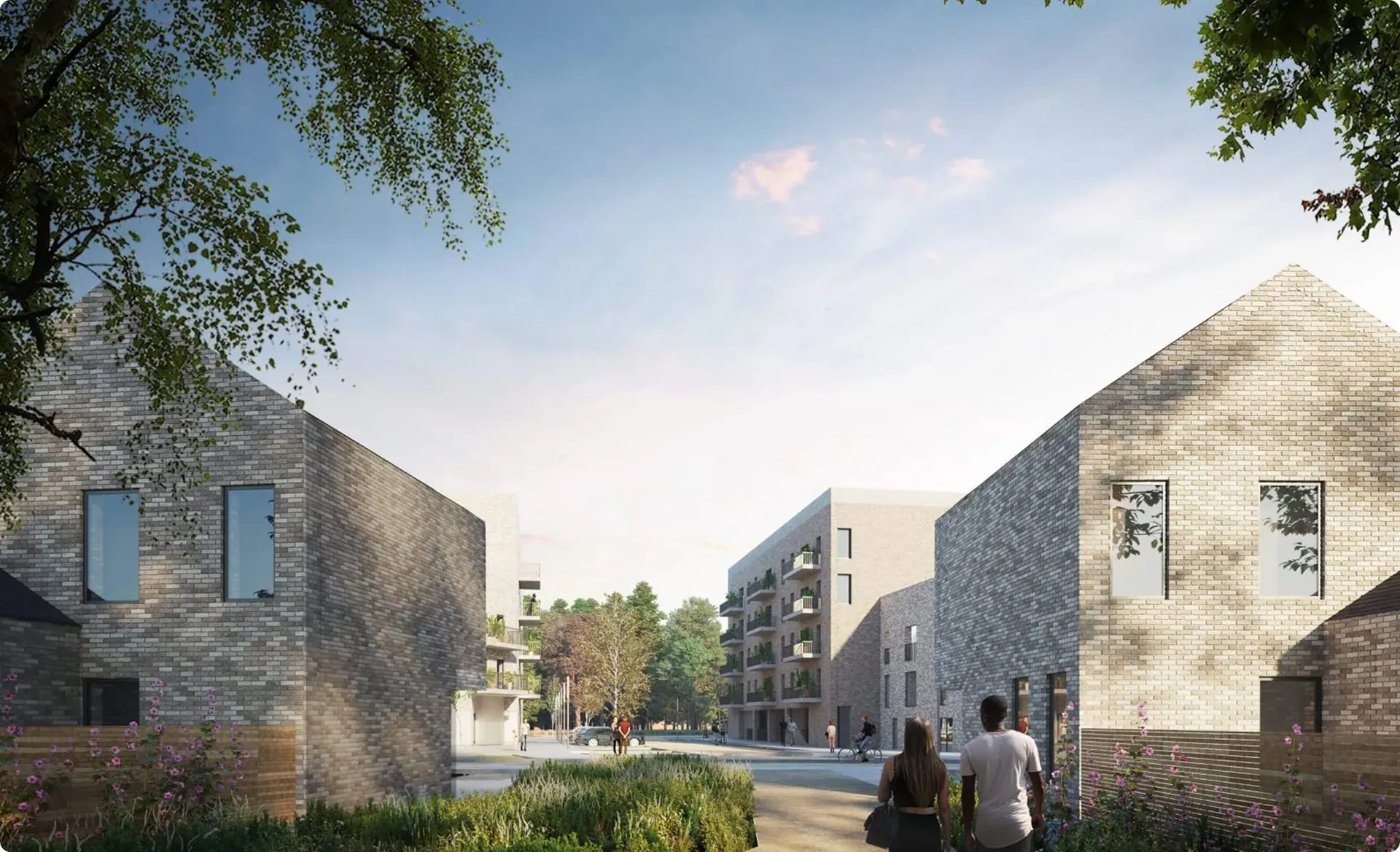
Performance that can be measured.
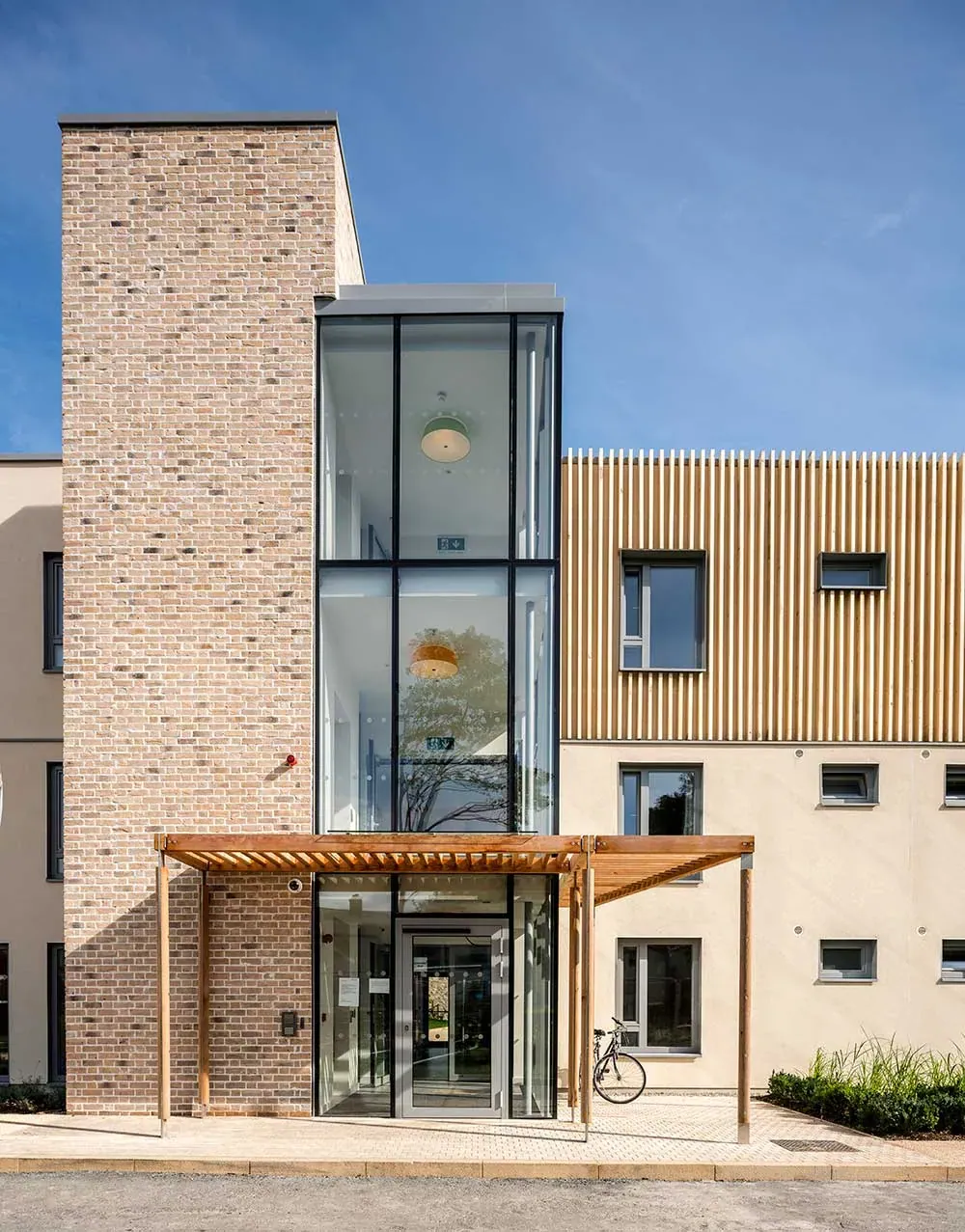
Rochestown House
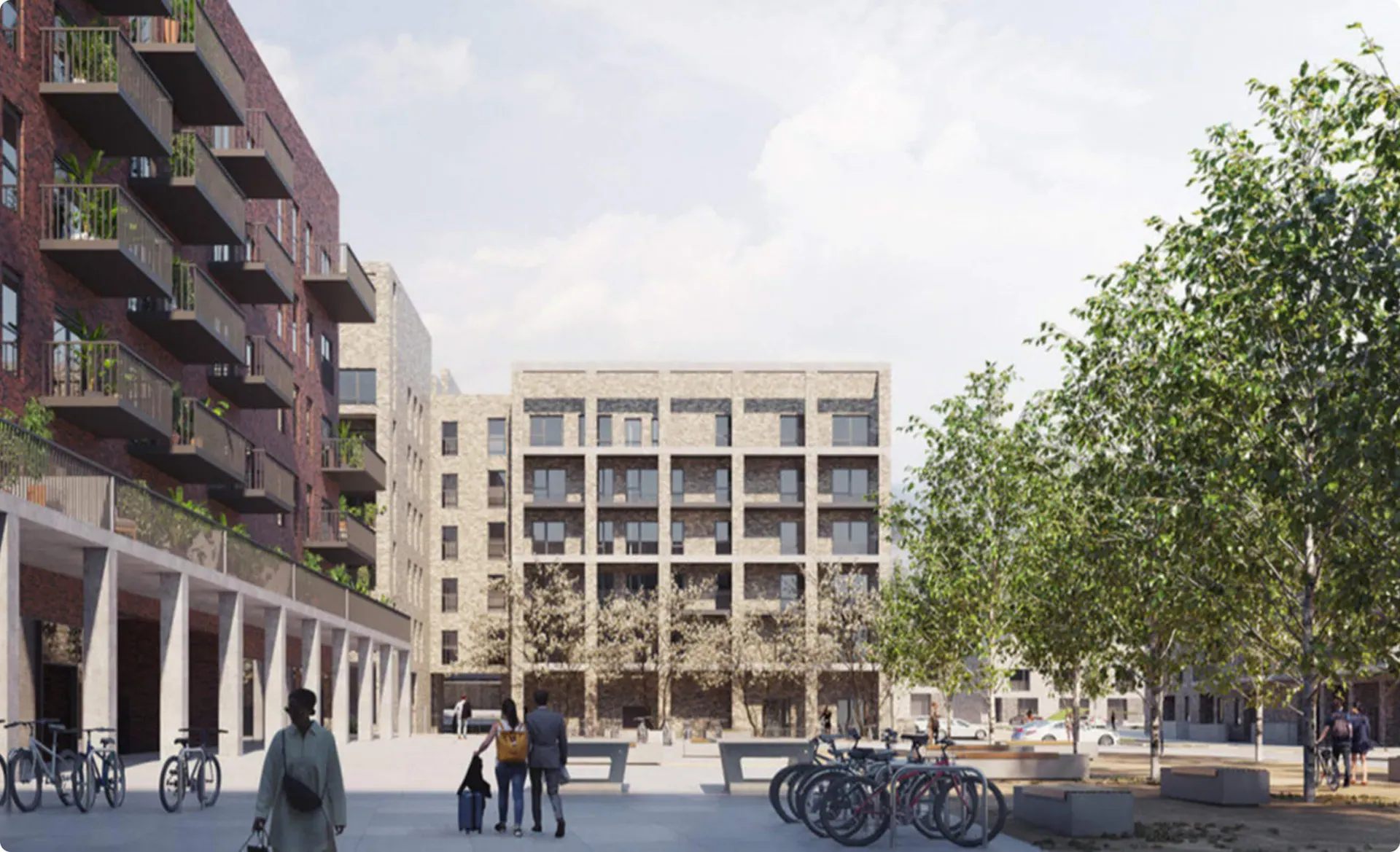
PHPP from the first sketch.
On a residential scheme, the decisions that govern energy performance are taken in the first weeks of design: orientation, form factor, window area, glazing specification. We run PHPP from feasibility, not as a late check, so those decisions are informed by the physics rather than corrected after the fact.
We have delivered Passivhaus-certified residential buildings from a single retrofit to a 550-home masterplan. The team that models the energy is the same team that calculates the thermal bridges and writes the airtightness strategy. That continuity is what closes the gap between the designed performance and the as-built result.
Common questions.
FAQDoes Passivhaus add cost to residential schemes?
The 4 to 8 percent premium people quote is mostly a first-time and one-off figure. On housing delivered at scale, by contractors who have built to the standard before and with the junctions and details resolved in advance, it falls much further, and in Ireland we regularly see it land close to negligible. What remains is recovered many times over in lower running costs for residents and housing providers, fewer defects, and reduced maintenance. On social and affordable housing, where running costs fall on residents with limited incomes, the fuel-poverty argument alone justifies it.
Can Passivhaus work for large residential masterplans, not just one-off houses?
Yes. Mosart has delivered Passivhaus at scales from a single dwelling to the 550-home Shanganagh Castle masterplan, as Passive House designer, and is currently certifying a 5,500-home new town at Seven Mills in Dublin. The standard does not change at scale: PHPP is modelled for every building type, thermal bridges are calculated for every junction, and airtightness is tested before handover. What changes is the team structure, the contractor supply chain, and the efficiency gains that come from repeating certified details across hundreds of units.
How does Passivhaus relate to nZEB and Part L compliance in Ireland?
Passivhaus Classic meets and significantly exceeds both Part L 2023 and nZEB requirements for residential buildings in Ireland. A building certified to the Passivhaus standard will comfortably achieve an A2 BER rating and will satisfy the primary energy and carbon targets of Technical Guidance Document L. Passivhaus does not remove the regulatory submission, though: Part L compliance and the BER are still demonstrated through DEAP, the national methodology. What it changes is the margin, so the investment in Passivhaus design and certification clears compliance with room to spare and adds an independently certified performance on top, rather than just meeting the minimum.
What is EnerPHit and when is it used instead of Passivhaus?
EnerPHit is the Passivhaus Institute standard for deep retrofits. Where the fabric of an existing building cannot achieve the full Passivhaus airtightness target of 0.6 air changes per hour due to its construction or protected status, EnerPHit allows a component-based or energy-demand pathway that still delivers very high performance, dramatically reduced heating demand, and certified comfort. Mosart has applied EnerPHit to social housing retrofit schemes including Rochestown House in Dún Laoghaire.
Does Passivhaus certification increase the asset value of residential properties?
Evidence from multiple European markets suggests a green premium for certified low-energy homes, with Passivhaus-certified properties achieving higher sales prices and rental values than equivalent standard-built stock. For institutional investors and housing bodies, the lower running cost and reduced maintenance liability translate directly into better net operating income and lower lifecycle cost, both of which are reflected in asset valuations under RICS and IPMS frameworks.
Talk to us about your residential scheme.
Tell us the scale, tenure and programme. We will tell you what Passivhaus requires, what it will cost, and what it will save over the building’s lifetime.