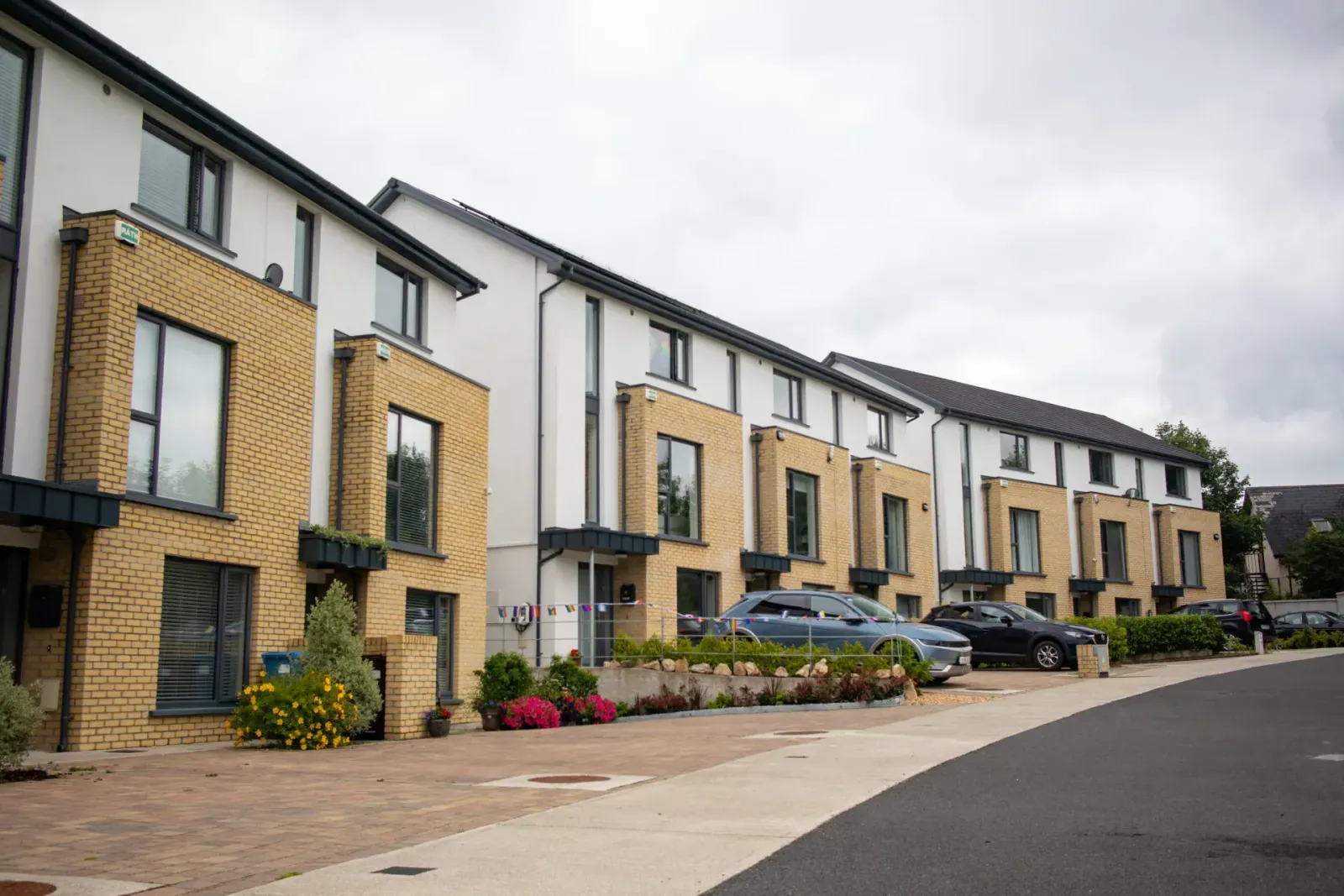
Certified Passivhaus Tradesperson: build it so it passes.
Your sites are going passive, from single houses to whole towns. This is the PHI qualification for the people who build them, so the airtightness test passes and the certificate stands. Exam included.
- PHIPassive House Institute qualification
- 4,500+professionals trained
- Exam includedwith pass support
- 5-yearcredential, CPD recognised
A design can pass the model and still fail the test.
A Passivhaus design can meet every PHPP target and still fail on site. The airtight layer punctured by a second-fix trade, insulation bridged at a junction, a window set without a continuous seal: each is invisible in the model and obvious to the occupant, as a draughty room, a damp stain, or a heating bill that does not match the certificate.
The gap between the design and the tested result is, in the main, a construction-quality problem. This course closes it, giving the people on site the understanding and the habits to build the details right the first time.
Train your whole crew, on your own project.
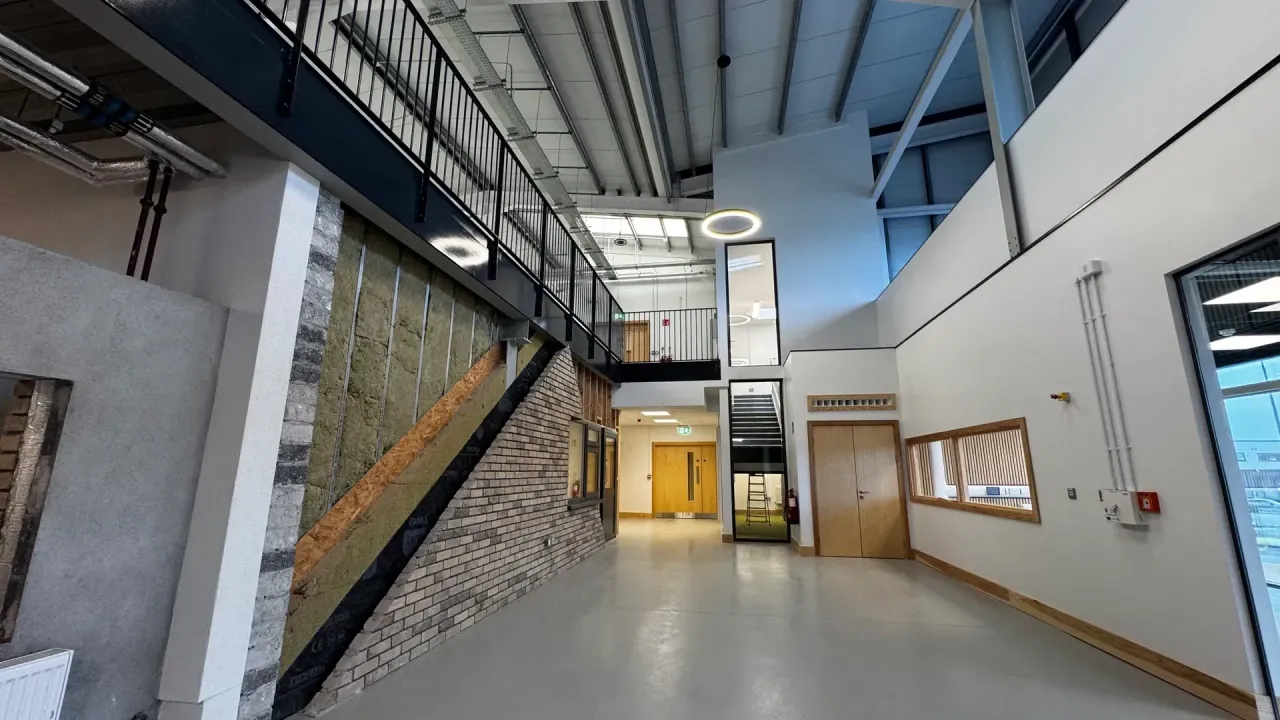
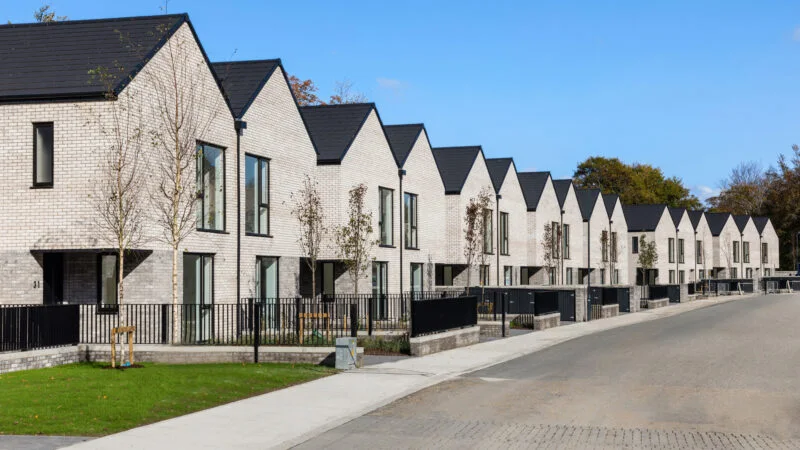
We have run this for most of the largest developers building Passivhaus at scale, and they keep coming back, project after project. The reason is the bespoke route: we run it on your own site, built around your materials, your methods and your site conditions, so every trade leaves knowing exactly how this building gets built to the standard.
It is the fastest way to close the gap between the certified design and the tested result, because the team is learning on the building they are actually putting up. Typically two days, in person, shaped to your programme.
- Mostof the largest Passivhaus developers, trained
- 4M ft²of certified Passivhaus delivered
- 7PHI-accredited certifiers on staff teach it
Four ways to take it.
Every route leads to the same PHI qualification and includes the exam. Pick the one that fits your team.
In person
Classroom and hands-on sessions with practical airtightness and detailing exercises. Cohorts run in Ireland and the UK.
Ask for the next datesLive online
The same curriculum over live sessions, for teams spread across sites or offices. Same exam, same qualification.
Ask for the next datesOn site, tailored to you
We bring the course to your site or office and build it around your own materials, methods and site conditions, so every trade leaves on the same page about this building. Typically two days, group rates, exam included.
Talk to us about team trainingOn demand
The same PHI qualification, self-paced and online, and it will be the most cost-effective way to take it. In production now. Join the waitlist for early access and the founding-member price.
See the on-demand course
What the course covers.
From first principles to the exam, every module is grounded in what actually goes wrong on site, and what fixes it.
Passivhaus history and principles
Where the standard comes from, the five criteria, and why performance on site decides whether a building hits its targets.
Insulation and the thermal envelope
Installing insulation so it actually performs: continuity, fit, and the hidden heat losses that never show up until the bills do.
Airtightness and vapour control
Where the airtight layer runs, how to keep it whole through every trade, and the vapour control that prevents moisture damage.
Thermal bridging
Reading a junction detail, spotting the bridges a drawing hides, and the site habits that prevent condensation and long-term defects.
Windows and doors
Installation methods that protect thermal performance, airtightness and comfort. The most expensive components deserve the most care.
Mechanical ventilation
How MVHR works, and how correct ducting, sealing and commissioning protect indoor air quality and the certified result.
Heating and domestic hot water
Low-energy heating and hot water strategies that fit the Passivhaus balance instead of fighting it.
Exam and certification
Preparation for the PHI Certified Passivhaus Tradesperson exam, and what the credential means on a tender.
Which format fits.
| Format | Best for | Duration | Where | PHI exam |
|---|---|---|---|---|
| In person | Individuals and small groups | ~2 days | Cohorts in Ireland & the UK | Included |
| Live online | Teams spread across sites | Live sessions | Anywhere | Included |
| On site, bespoke | A developer’s whole crew, on a live project | ~2 days, on your site | Your site or office | Included |
| On demand soon | Self-paced learners, best value | At your own pace | Online | Included |
Every route leads to the same qualification: the official Passive House Institute exam, with the same standing on a tender.
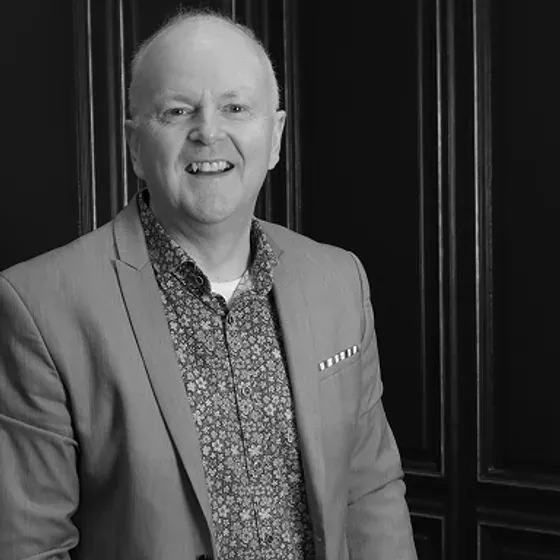
Taught by the people who certify the buildings.
The course is led by Tomás O’Leary and the Mosart team: the people who write the construction details, supervise the airtightness tests, and keep measuring the buildings long after handover. Mosart designed the first certified Passivhaus in the English-speaking world and wrote Ireland’s national Passive House guidelines.
You are taught by practising, PHI-accredited certifiers. That is the difference between learning the theory and learning what passes on site.
How to become a Certified Passivhaus Tradesperson.
A Certified Passivhaus Tradesperson, also written Certified Passive House Tradesperson, is a builder or installer who has passed the Passive House Institute’s exam proving they can build to the Passivhaus standard on site: airtightness, thermal-bridge-free detailing, window and MVHR installation, so the finished building performs as it was designed to.
- Take the courseAny format above. You learn the building science, and how to build it on site, which is where it counts.
- Sit the PHI examAround three hours, online. Three parts, Passive House Basics, Building Envelope and Building Services; you pass with Basics plus at least one specialisation.
- Get listedPass and you are added to the Passive House Institute’s public register of Certified Passive House Tradespeople, recognised internationally and increasingly asked for on tenders.
- Renew every 5 yearsDocument your work on a certified Passivhaus project, or earn 30 CPD credit points.
Tell us who needs training.
One person or a whole site team, scheduled cohort or in-house on your project. We reply within one working day with dates, format and a price.
- Group rates for site teams
- In-house delivery at your office or site
- Combined Designer + Tradesperson programmes
- Taught by practising Passivhaus certifiers
Received. You will hear from us within one working day.
Common questions.
Who is the Certified Passivhaus Tradesperson course for?
Builders, carpenters, bricklayers, plasterers, plumbers, electricians and MVHR installers who work on Passivhaus or low-energy sites. It is also taken by site managers, foremen and clerks of works who have to enforce the quality. If your job is to build the building rather than model it, this is the qualification.
What is the difference between the Tradesperson and Designer courses?
The Certified Passivhaus Designer course is for the people who design and model the building: architects, engineers, energy assessors. The Tradesperson course covers the same physics from the site side: where the airtightness layer runs, how to keep insulation continuous, how to install windows and MVHR so the tested result matches the design. Many firms put office staff through Designer and site staff through Tradesperson.
Can you train our whole site team?
Yes, and this is how most contractors now take the course. We deliver in-house cohorts at your office or on site, in person or online, shaped around your own construction details and programme. Group rates apply. Tell us roughly how many people and what you are building and we will come back with a format and a price within one working day.
When is the on-demand version available?
The self-paced on-demand version is in production now. Join the waitlist and we will tell you the moment it opens, with the founding-member price. If your team cannot wait, the live online cohort covers the same curriculum.
Is the course accredited?
Yes. The Certified Passivhaus Tradesperson qualification is accredited by the Passive House Institute (PHI) in Darmstadt and recognised internationally; in Ireland and the UK it is increasingly asked for by main contractors and housing bodies on Passivhaus schemes. Mosart courses come with CPD records for your logbook.
Why does on-site execution matter so much for Passivhaus?
A design can meet every PHPP target and still fail the blower-door test. The airtightness layer punctured by a second-fix trade, insulation bridged at a junction, a window installed without a continuous seal: each is invisible in the model and visible to the occupant. Certification requires 0.6 air changes per hour at 50 pascals, measured on site, and that number is set by the people holding the tape and the tools.
How long is the course, and is the PHI exam included?
The in-person bespoke course typically runs over two days, and the exam is included. Live online and on-demand formats cover the same curriculum at a different pace. The qualification is the official Passive House Institute exam, around three hours, taken online: it has three parts, Passive House Basics, Building Envelope and Building Services, and you pass with Basics plus at least one specialisation.
What support do I get to pass the exam?
You are not left to sit it cold. The course includes the technical setup for the online exam, live webinar support in the run-up, and direct access to practising Passivhaus certifiers, the people who supervise airtightness tests and certify buildings for a living.
How long is the Certified Passivhaus Tradesperson qualification valid?
Five years. You renew it either by documenting your work on a certified Passivhaus or highly energy-efficient project, or by earning 30 CPD credit points. Once you pass you are added to the Passive House Institute public register of Certified Passive House Tradespeople.
Will the on-demand version be cheaper?
Yes. The self-paced on-demand course, in production now, will be a far more cost-effective way to reach the same PHI credential than live delivery. Join the waitlist and we will tell you the moment it opens, with the founding-member price.
Make the site as good as the model.
Enquire about Tradesperson training for yourself or your team, or look at the Designer course for the office side of the same standard.