Your Passivhaus designer.
Bring us onto the team as your Passive House designer: we carry the PHPP model, the detailing and the standard from the first sketch to the certificate, whether or not we hold the architect's pen.
What a Passivhaus designer delivers.
What it isA Passivhaus building lives or dies on its building physics, and the Passive House designer is the role that owns that physics from end to end. We run the PHPP energy model from the first sketch, design the thermal bridges and the continuous airtightness layer, specify the components that close the model, and hold the standard through value engineering all the way to the certificate. It is one accountable role for the performance of the building, not a stack of disconnected reports.
We play it two ways. On many schemes we are your Passive House designer alongside your own architect: you keep the pen, we carry the physics and the path to certification. On others we are architect and Passive House designer in one. Either way the standard sits in the model and the drawings, which is why the schemes we design certify. Mosart was Passive House designer for the 550+ homes at Shanganagh Castle and for the office at Senan House, and the practice wrote the Irish national Passive House guidelines.
The live PHPP model, the thermal bridge catalogue, the airtightness strategy, the component specification, the value-engineering decisions and the certification evidence pack. One role, accountable for the number the building has to hit.
The same role and the same PHI exam. A relevant degree earns the title Certified Passivhaus Designer, without one it is Certified Passivhaus Consultant, with identical standing. We work as your Passivhaus designer, and it is the same Passive House consultancy by either name.
As your designer we are part of the team. Certification is a separate, independent check: under PHI rules the certifier cannot be the designer, and our in-house certifiers who verify a building are never the people who designed it.
Building to the standard since 2004.
We were among the first practices in Ireland or the UK to design to the Passivhaus standard, and we wrote the country’s national Passive House guidelines. It is not a service we added. It is how Mosart has worked for two decades, on everything from a single house to a 5,500-home town.
Designed to the standard, at every scale.
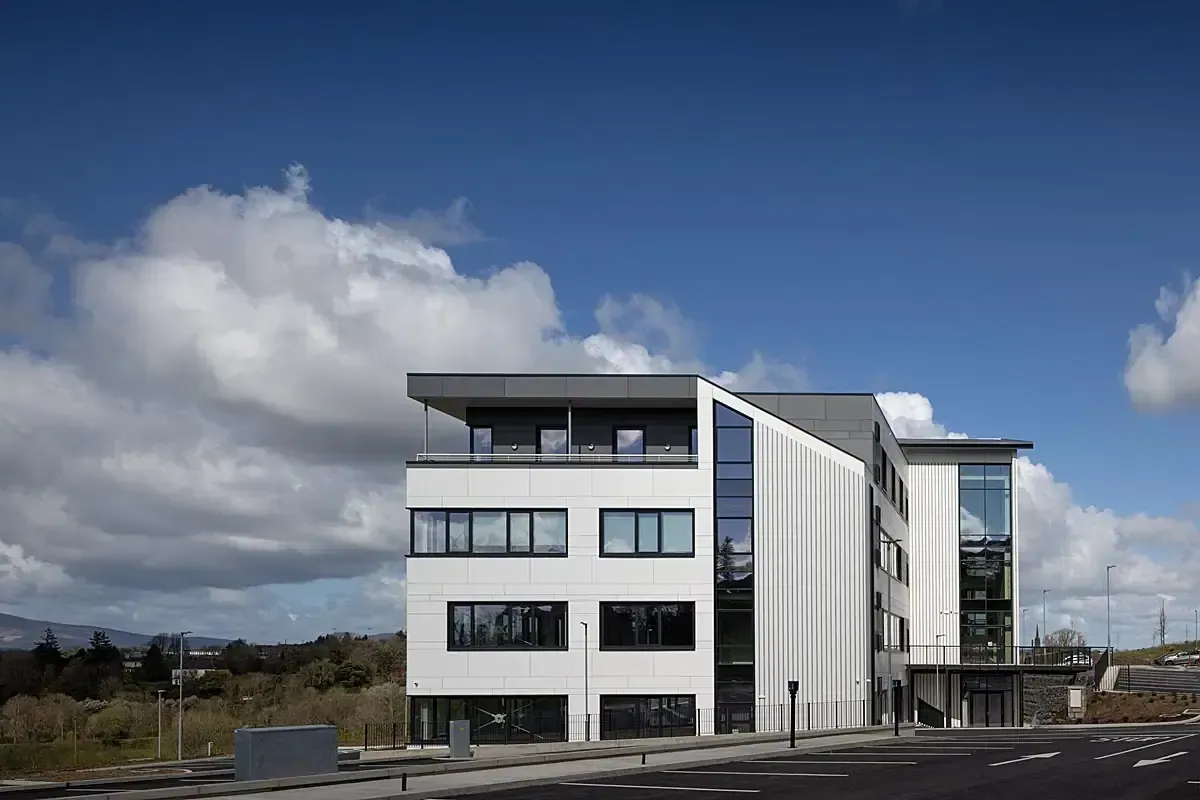
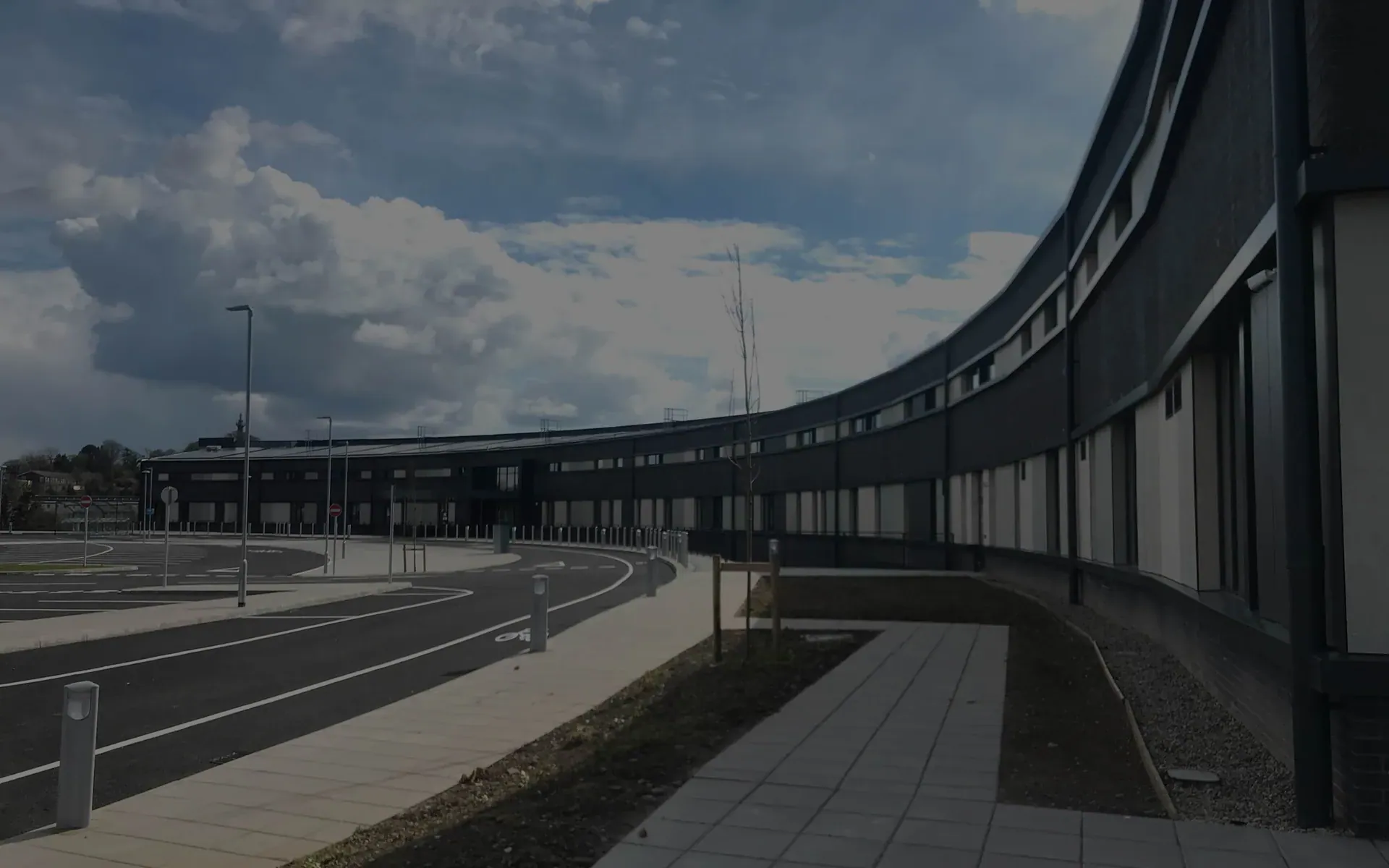
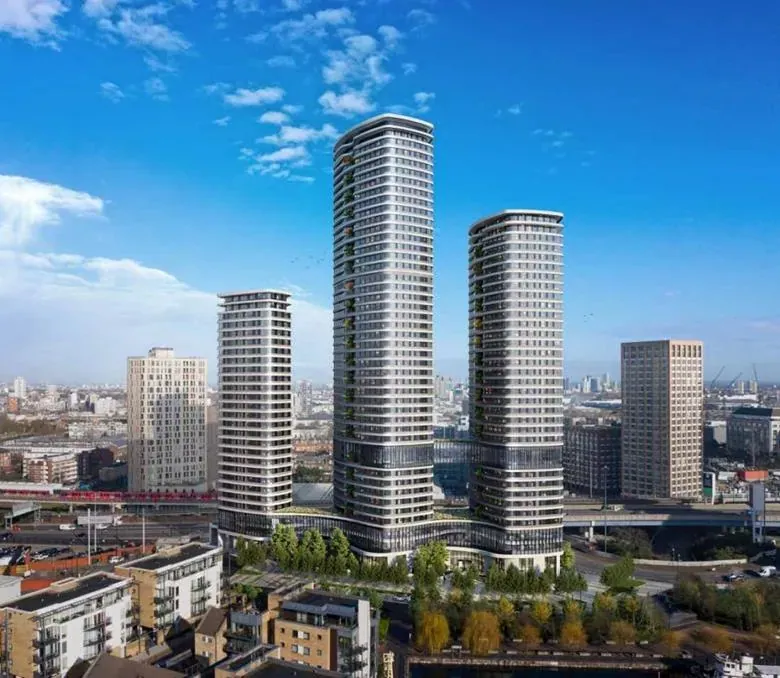
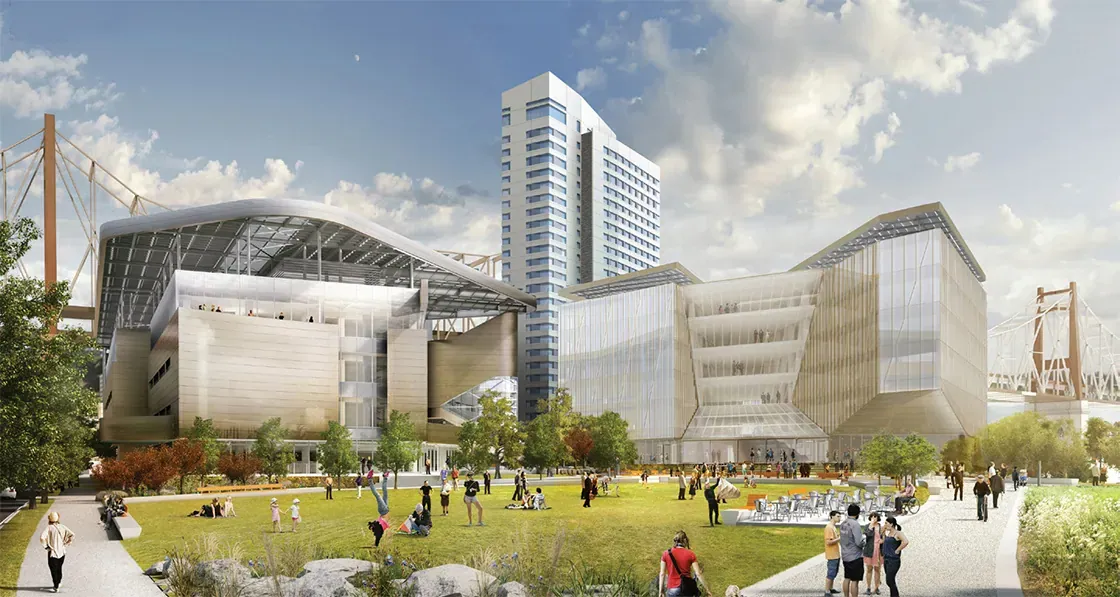
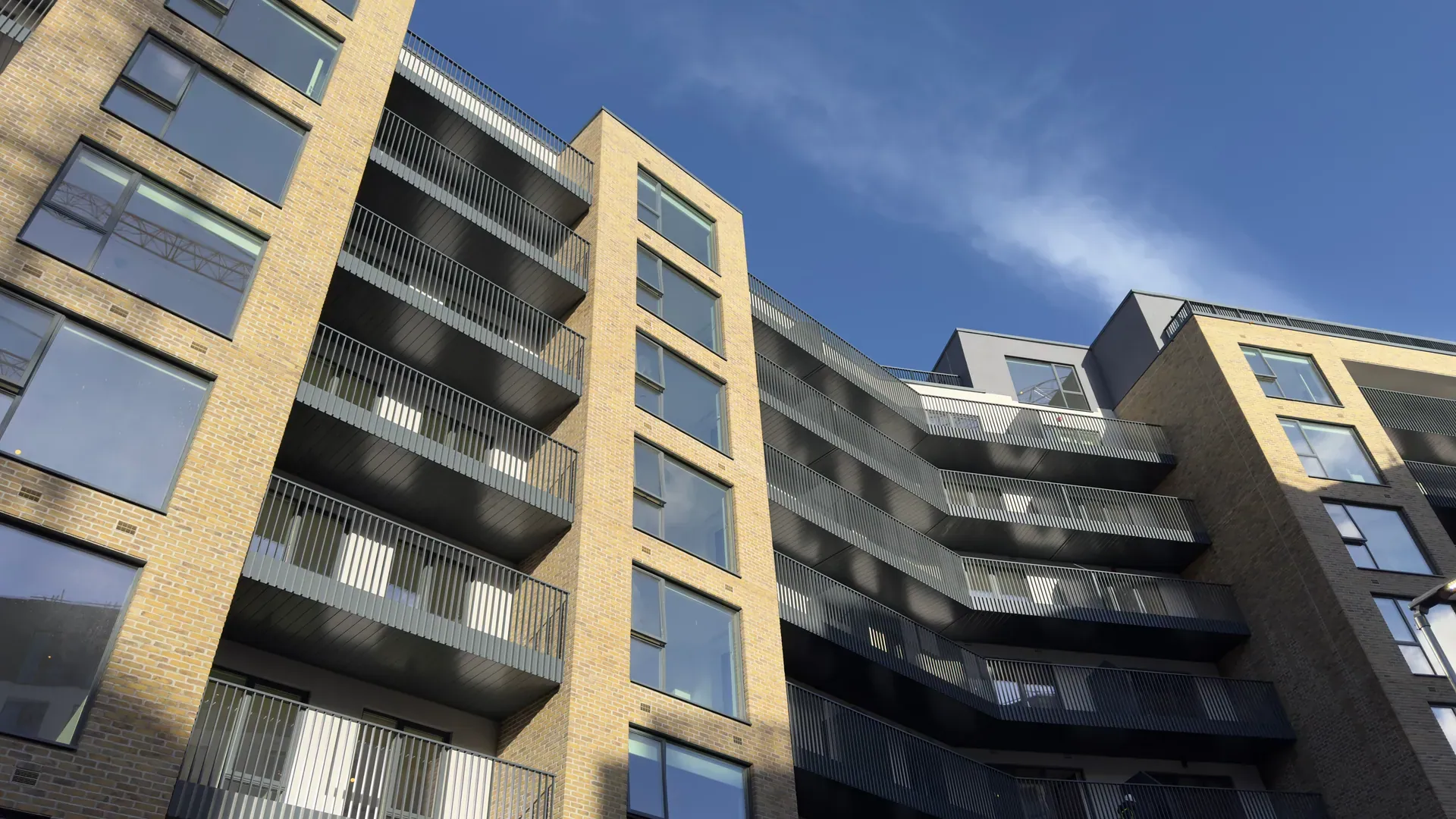
Selected projectsHouses and offices, campuses and student towers, social housing and high-rise. We have carried the PHPP model and the detailing on schemes ranging from a single home to 1,752 apartments across three towers, in Ireland, the UK and New York. Same standard, every scale.
Method: how we work.
MethodThe energy model is open at the first design meeting, so form, orientation, glazing ratio and massing are chosen with their energy cost visible, not discovered later. The performance target is set before the geometry is fixed, which is the cheapest point at which to hit it.
Thermal bridges are modelled to BS EN ISO 10211 and the airtightness line is drawn as a continuous layer through every plan, section and junction. The standard ends up in the construction set, so the contractor builds it rather than guessing at it on site.
Every component is closed out with a measured or certified value, and every value-engineering substitution is tested in the PHPP model before it is accepted. A cheaper window that breaks the target is caught before it is ordered, not after the airtightness test fails.
The PHPP model, the airtightness test result and the as-built evidence are compiled and handed to an independent PHI-accredited certifier for the certificate. Because the standard was designed in from day one, certification is a confirmation, not a scramble at the end.
Common questions.
FAQWhat does a Passivhaus designer actually do?
A Passivhaus designer, also called a Passive House designer, owns the building physics of a project from end to end. We run the PHPP energy model from the first sketch, design the thermal bridges and the continuous airtightness layer, specify the components that close the model, and hold the standard through value engineering all the way to the certificate. It is one accountable role for the performance of the building, rather than a set of disconnected reports handed between consultants.
Do you have to be the architect to be the Passivhaus designer?
No. On most schemes we join your design team as the Passive House designer while your own architect keeps the pen: you lead the design, we carry the PHPP model, the detailing and the route to certification. On other projects we are architect and Passive House designer in one, delivering the full RIBA and RIAI service with the building physics native to it. Either way the standard ends up in the model and in the drawings.
What is the difference between a Passivhaus designer, consultant and certifier?
The designer owns the design to the standard. The PHI credential a designer holds is Certified Passivhaus Designer where they have a relevant degree, or Certified Passivhaus Consultant where they do not: the same exam and the same standing, a different title. The certifier is the independent party who verifies the finished design and build against the PHI standard and issues the certificate. The certifier must be independent of the design team, so the person who certifies a building is never the person who designed it.
What qualifies your Passivhaus designers?
Our designers are PHI-accredited and work alongside the largest independent team of PHI-accredited certifiers in Ireland. The practice wrote the Irish national Passive House guidelines and has trained more than 4,500 professionals through the Certified Passivhaus Designer course. The same people who set out how to design to the standard are the people who design your project to it.
Put a Passivhaus designer on the team.
Tell us the project and where you are in the design. We will carry the building physics from the first sketch to the certificate, alongside your architect or as architect ourselves.